Dead Tree Removal in Doylestown, PA
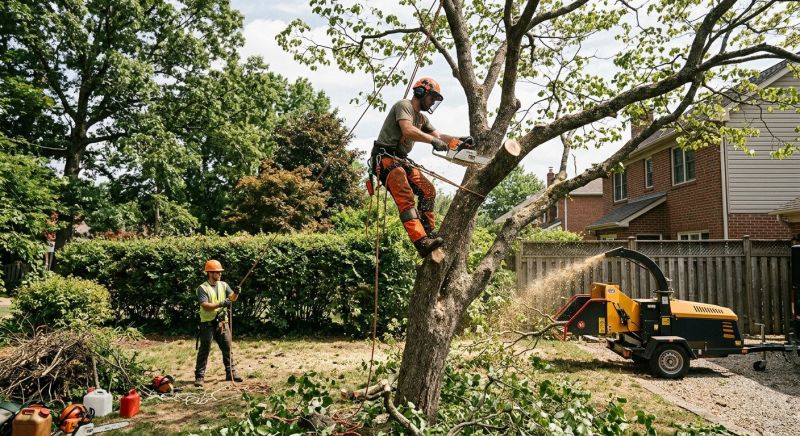
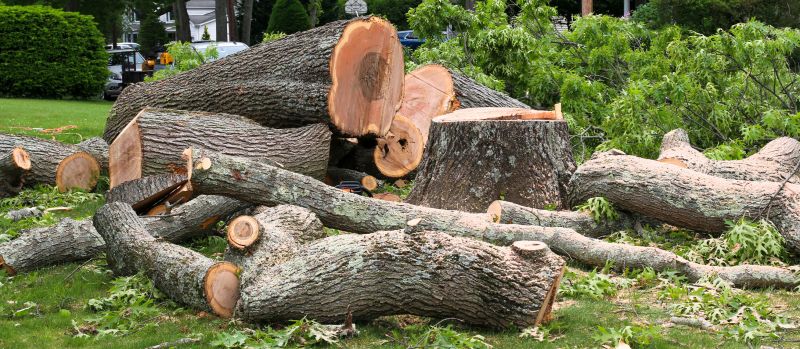
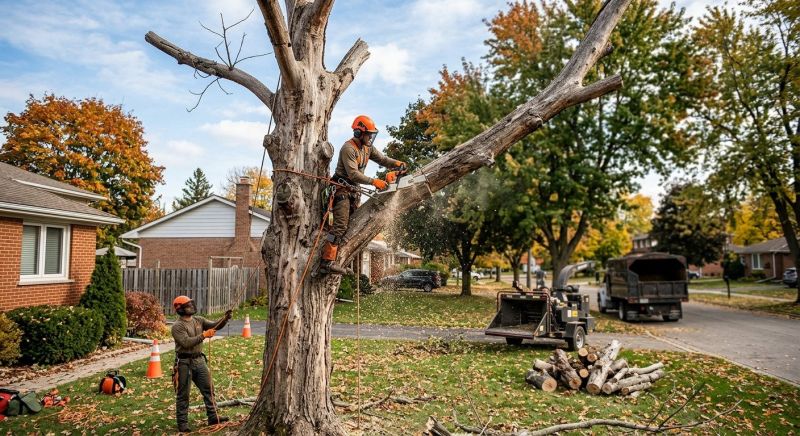
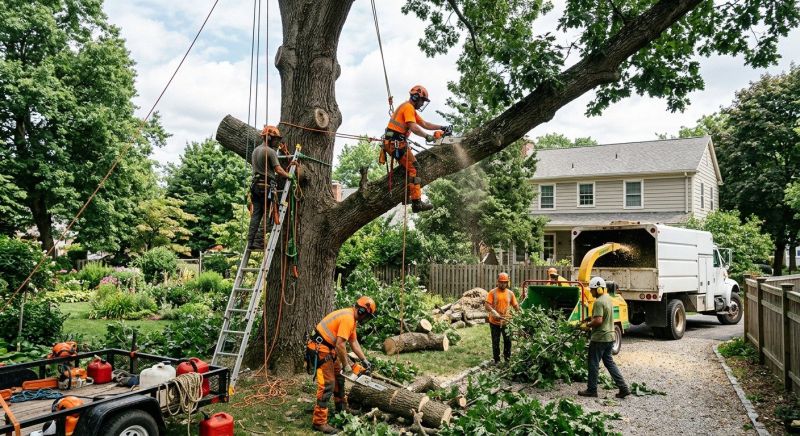
Dead tree removal services involve the safe and efficient removal of trees that are dead, dying, or pose a risk to property or safety. This type of project typically includes assessing the condition of the tree, planning the best approach for removal, and performing the work using appropriate equipment to prevent damage to surrounding landscaping or structures. Homeowners often request dead tree removal to eliminate hazards such as falling branches, prevent damage during storms, or improve the overall appearance of their yard.
Before requesting dead tree removal, property owners should consider the size and location of the tree, as well as any potential obstacles like power lines, fences, or nearby structures. It is also helpful to understand whether the tree is completely dead or if part of it may still be salvageable. Clear communication about the tree’s condition and surroundings can assist in planning a safe and effective removal process, ensuring the project aligns with property safety and aesthetic goals.
Many property owners in Doylestown, PA look into Dead Tree Removal for repairs, replacements, upgrades, and appearance-related improvements.
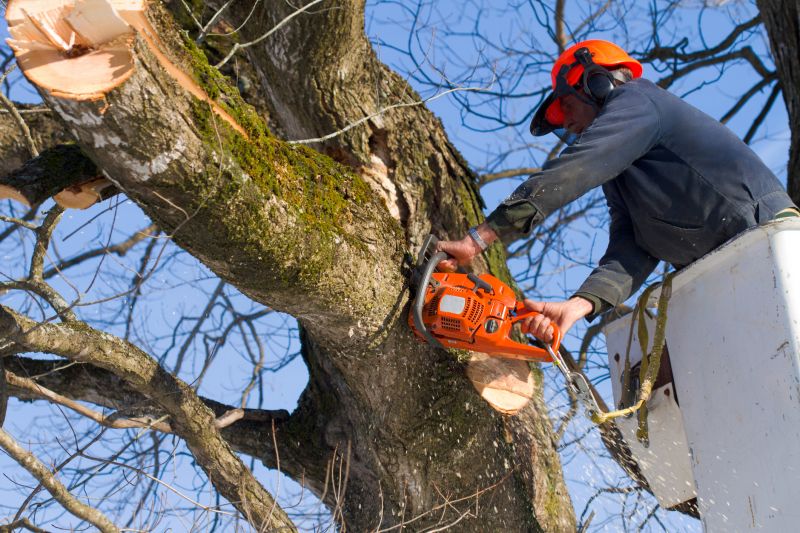
Reasons To Remove Dead Trees
Removing dead trees helps prevent potential damage to property and reduces safety hazards.
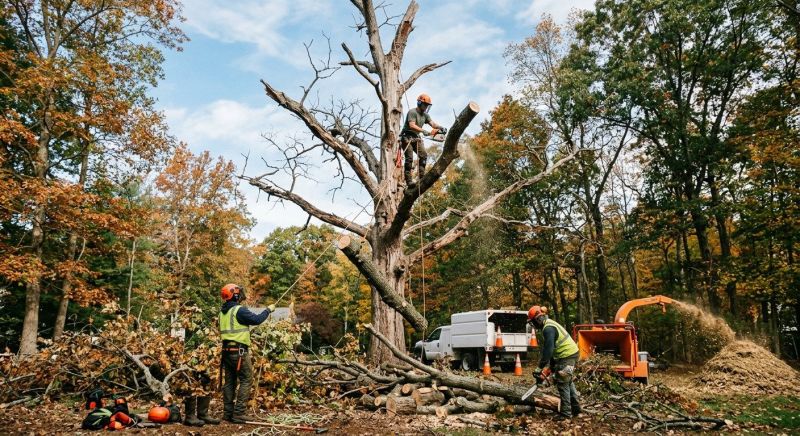
Signs A Tree Needs Removal
Indicators include dead branches, trunk decay, and visible structural instability.
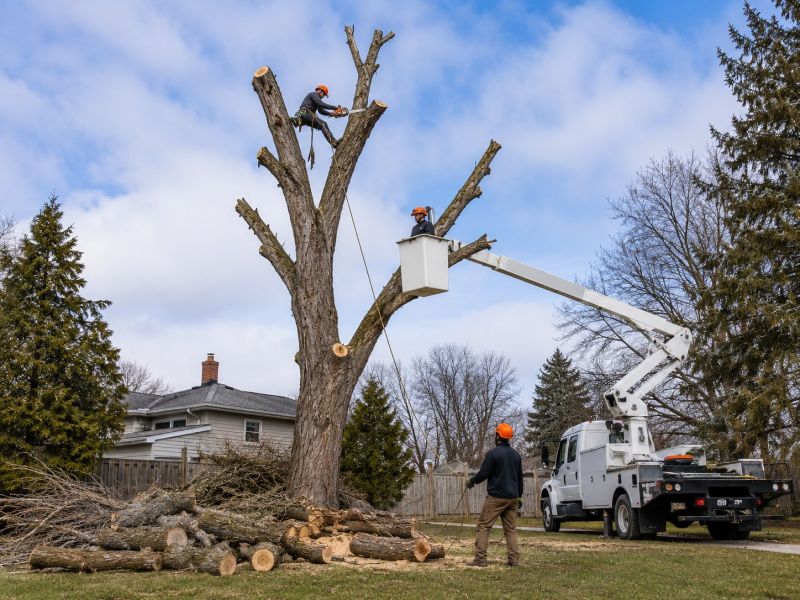
Benefits Of Professional Dead Tree Removal
Professional services ensure safe, efficient removal and help maintain the health of surrounding landscape.
Dead Tree Removal in Doylestown, PA
Dead tree removal services involve the safe and efficient removal of trees that are dead, dying, or pose a risk to property or safety. This type of project typically includes assessing the condition of the tree, planning the best approach for removal, and performing the work using appropriate equipment to prevent damage to surrounding landscaping or structures. Homeowners often request dead tree removal to eliminate hazards such as falling branches, prevent damage during storms, or improve the overall appearance of their yard.
Before requesting dead tree removal, property owners should consider the size and location of the tree, as well as any potential obstacles like power lines, fences, or nearby structures. It is also helpful to understand whether the tree is completely dead or if part of it may still be salvageable. Clear communication about the tree’s condition and surroundings can assist in planning a safe and effective removal process, ensuring the project aligns with property safety and aesthetic goals.
Many property owners in Doylestown, PA look into Dead Tree Removal for repairs, replacements, upgrades, and appearance-related improvements.
Common Dead Tree Removal Jobs
Dead Tree Removal - Safely takes down trees that are dead, decaying, or posing a hazard.
Storm-Damaged Tree Removal - Clears fallen or compromised trees after severe weather events.
Emergency Tree Removal - Quickly addresses urgent tree hazards to protect property and safety.
Invasive or Unhealthy Tree Removal - Removes trees that threaten the health of surrounding landscape.
Selective Tree Removal - Eliminates specific trees to improve property aesthetics or growth patterns.
Root Removal - Extracts tree roots that cause damage to structures or interfere with landscaping.
Dead Tree Removal Questions
Why remove dead trees? Dead trees can pose safety hazards and may attract pests or disease to nearby healthy plants.
What signs indicate a tree needs removal? Signs include dead or dying branches, discoloration, fungal growth, or leaning significantly.
Is dead tree removal necessary for property safety? Yes, removing dead trees reduces the risk of falling and potential damage to structures or people.
What should property owners consider before removal? It’s important to assess the tree’s location, size, and potential impact on surrounding landscape before removal.
Request Dead Tree Removal in Doylestown, PA
Use the quote form on this page to share the basics of your project and request more information for the type of work you need.